

आशा कार्यकर्ता घर-घर जाकर खिलाएंगी डीईसी और अल्बेंडाजोल की गोली
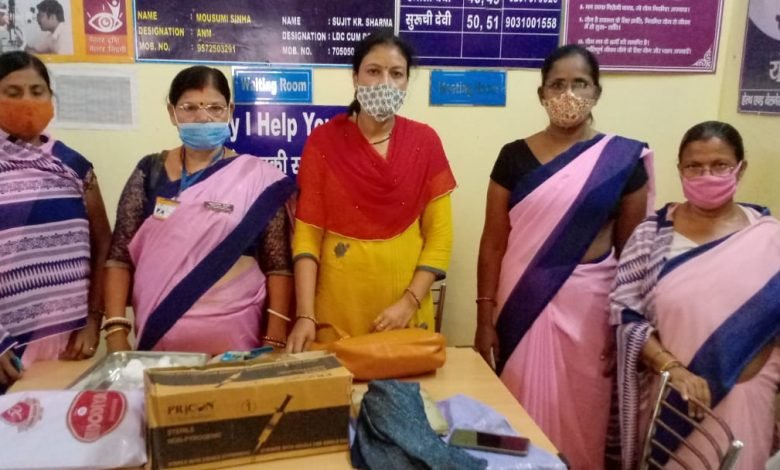
-जिले के सभी प्रखंडों में चल रहा है आशा कार्यकर्ताओं का प्रशिक्षण
-क्षेत्र के लोगों को फाइलेरिया से बचाव को लेकर किया जा रहा जागरूक
भागलपुर, 10 सितंबर | फाइलेरिया उन्मूलन अभियान के तहत 20 सितंबर से जिले के सभी लोगों को मास ड्रग एडमिनिस्ट्रेशन (एमडीए) अभियान के तहत डीईसी व अल्बेंडाजोल की गोली खिलाई जाएगी। इसे लेकर जिला स्वास्थ्य विभाग तैयारी में लगा हुआ है। जिले के सभी प्रखंडों में आशा कार्यकर्ताओं को इसे लेकर प्रशिक्षण दिया जा रहा है। मास ड्रग एडमिनिस्ट्रेशन कार्यक्रम के तहत आशा कार्यकर्ताओं को प्रशिक्षण के दौरान फाइलेरिया से बचाव के लिए लोगों को दी जाने वाली जानकारी के बारे में बताया जा रहा है। अलग-अलग उम्र के लोगों को दवा खिलाने के नियमों की जानकारी दी जा रही है।
आशा कार्यकर्ताओं की दो सदस्यीय टीम बनाई जा रही
इसे लेकर आशा कार्यकर्ताओं की दो सदस्यीय टीम बनाई जा रही है। टीम 14 दिनों तक क्षेत्र में लोगों को अपने सामने दवा खिलाएगी। अभियान के पहले सात दिन में एक आशा के क्षेत्र में पहले छह दिन घर-घर जाकर लोगों को दवा खिलाने के बाद सातवें दिन छूटे हुए घरों में जाकर लोगों को दवा खिलायी जाएगी। आठवें 13वें दिन तक दूसरे आशा के क्षेत्र में लोगों को घर-घर जाकर दवा खिलाई जाएगी और 14वें दिन फिर छूटे हुए लोगों को दवा खिलायी जाएगी। दवा खिलाने के बाद आशा कार्यकर्ता रजिस्टर में लाभुकों का नाम भी दर्ज करेंगी। साथ ही अभियान के दौरान स्वास्थ्य विभाग को केयर इंडिया और पीसीआई सहयोग भी करेगा। अभियान की सफलता को लेकर आशा कार्यकर्ता अपने क्षेत्र के लोगों को जागरूक भी कर रही हैं।
गर्भवती महिलाओं और दो वर्ष के कम उम्र के बच्चों को नहीं खिलाए जाएगी कोई गोलीः
अभियान के दौरान आशा कार्यकर्ता लोगों को अपने सामने ही डीईसी और अल्बेंडाजोल की गोली खिलाएंगी। दो से पांच वर्ष के बच्चों को डीईसी और अल्बेंडाजोल की एक गोली, छह से 14 वर्ष तक के बच्चों को डीईसी की दो और अल्बेंडाजोल की एक गोली और 15 वर्ष से अधिक उम्र के लोगों को डीईसी की तीन और अल्बेंडाजोल की एक गोली खिलाई जाएगी। अल्बेंडाजोल की गोली लोगों को चबाकर खाना है। दो वर्ष से कम उम्र के बच्चों और गर्भवती महिलाओं को कोई दवा नहीं खिलायी जाएगी।
क्यूलेक्स मच्छर के काटने से होता है फाइलेरियाः
जिला मलेरिया पदाधिकारी (डीएमओ) डॉ. कुंदन सिंह पटेल ने कहा कि फाइलेरिया क्यूलेक्स मच्छर के काटने से फैलता है। क्यूलेक्स मच्छर घरों के दूषित स्थलों, छतों और आसपास लगे हुए पानी में पाया जाता है। इससे बचाव के लिए लोग घरों के आसपास गंदगी और पानी नहीं जमने दें। घर के आसपास साफ-सफाई रखें। बुखार आना, शरीर में लाल धब्बे या दाग होना, शरीर के किसी भी अंग में सूजन होना इसके लक्षण हैं। ज्यादातर इस बीमारी से ग्रसित लोगों के पांव या हाइड्रोसिल में सूजन हो जाती है। लोग इस बीमारी से सुरक्षित रह सकें इसके लिए सरकार हर साल में एक बार एमडीए अभियान चलाती है। इससे लोगों को जरूरी दवा उपलब्ध होती है, जो इस बीमारी को रोकने में सहायक होती है।
