

सुरक्षित प्रसव के लिए उचित स्वास्थ्य प्रबंधन जरूरी– संस्थागत प्रसव को दें प्राथमिकता : सिविल सर्जन
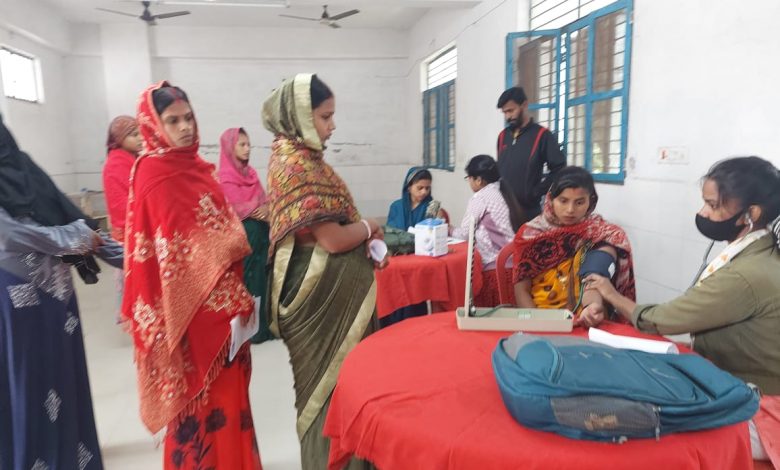
– प्रधानमंत्री सुरक्षित मातृत्व अभियान • जिले के सभी स्वास्थ्य संस्थानों में शिविर आयोजित कर गर्भवती महिलाओं की हुई प्रसव पूर्व जाँच
– अभियान की सफलता और अधिकाधिक गर्भवती की जाँच सुनिश्चित कराने पर दिया गया बल
खगड़िया-
शुक्रवार को जिले के सभी पीएचसी, सीएचसी, रेफरल एवं अनुमंडलीय व जिला अस्पतालों में गर्भवती महिलाओं की प्रसव पूर्व (एएनसी) जाँच की गई। यह जाँच स्वास्थ्य संस्थानों में प्रधानमंत्री सुरक्षित मातृत्व अभियान के तहत शिविर आयोजित कर की गई। जिसमें बड़ी संख्या में गर्भवती महिलाओं ने अपने क्षेत्र की आशा कार्यकर्ता के सहयोग से अपने-अपने नजदीकी स्वास्थ्य संस्थान में सुरक्षित और सामान्य प्रसव के लिए एएनसी जाँच करवाई। इस दौरान जिले के सभी स्वास्थ्य संस्थानों में गर्भवती की जाँच की गई और जाँच के पश्चात चिकित्सकों द्वारा आवश्यकतानुसार चिकित्सा परामर्श दिया गया। जिसमें रहन-सहन, साफ-सफाई, खान-पान, गर्भावस्था के दौरान बरती जाने वाली सावधानियाँ समेत अन्य चिकित्सा परामर्श विस्तार पूर्वक दिया गया। इधर, शिविर के सफल संचालन को लेकर अधिकाधिक गर्भवती की जाँच सुनिश्चित कराने को लेकर सिविल सर्जन डाॅ अमरनाथ झा, जिला प्रतिरक्षण पदाधिकारी डॉ देवनंदन पासवान, खगड़िया सदर पीएचसी प्रभारी डॉ कृष्णकांत कुमार, पिरामल फाउंडेशन के डीपीएल प्रफुल्ल झा समेत अन्य पदाधिकारी विभिन्न स्वास्थ्य संस्थानों में आयोजित शिविर का निरीक्षण कर मौजूद कर्मियों को जरूरी दिशा-निर्देश दिए।
– गर्भवती महिलाओं की हुई समुचित जाँच :
सिविल सर्जन डाॅ अमरनाथ झा ने बताया, आयोजित शिविर में बड़ी संख्या में गर्भवती महिलाएं शामिल हुईं और सुरक्षित व सामान्य प्रसव को बढ़ावा देने के लिए जाँच करवाई। शिविर में जाँच कर रही मेडिकल टीम द्वारा गर्भवती महिलाओं की हीमोग्लोबिन, यूरिन, एचआईवी, ब्लड ग्रुप, बीपी, हार्ट-बीट आदि की भी जाँच की गई। एएनसी जांच के लिए शिविर में मौजूद महिलाओं को प्रसव अवधि के दौरान किसी भी प्रकार की शारीरिक परेशानी होने पर तुरंत चिकित्सकों से जाँच कराने की सलाह दी गई। वहीं, उन्होंने बताया, एएनसी जाँच के दौरान महिलाओं को संस्थागत प्रसव को लेकर जागरूक किया गया। इस दौरान सरकारी स्वास्थ्य संस्थानों में सुरक्षित प्रसव को बढ़ावा देने के लिए उपलब्ध सुविधाओं की जानकारी दी गई। ताकि महिलाओं में सुरक्षा के दृष्टिकोण से संस्थागत प्रसव को लेकर किसी प्रकार की हिचकिचाहट नहीं रहे और सभी महिलाएं संस्थागत प्रसव को प्राथमिकता दें।
– सुरक्षित और सामान्य प्रसव के लिए प्रसव पूर्व जाँच जरूरी :
पिरामल फाउंडेशन के डीपीएल प्रफुल्ल झा ने बताया, प्रसव अवधि के दौरान किसी भी प्रकार की परेशानी होने पर तुरंत जाँच करानी चाहिए। दरअसल, समय पर जाँच कराने से किसी भी प्रकार की परेशानी का शुरुआती दौर में ही पता चल जाता है। शुरूआती दौर में पता लगने पर ही उसे आसानी से दूर किया जा सकता है। इसके लिए सरकार द्वारा प्रत्येक माह की नौ तारीख को पीएचसी स्तर पर एएनसी जाँच की व्यवस्था की गई है। ताकि प्रसव के दौरान गर्भवती महिलाओं को किसी प्रकार की अनावश्यक शारीरिक परेशानी का सामना नहीं करना पड़े और सुरक्षित प्रसव को बढ़ावा मिल सके। इसलिए, सुरक्षित और सामान्य प्रसव को बढ़ावा देने के लिए गर्भवती महिलाओं को प्रसव पूर्व जाँच कराना जरूरी है।
