

राष्ट्रीय कृमि मुक्ति दिवस: ऑनलाइन समीक्षात्मक बैठक में शामिल हुए जिले के पदाधिकारी
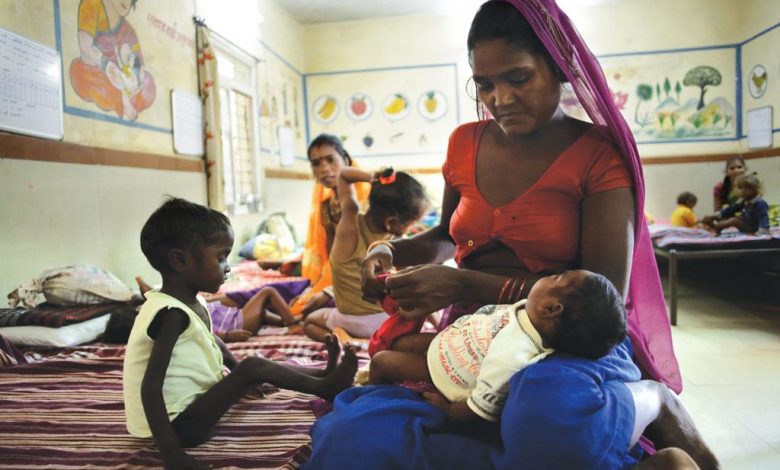
– 22 अप्रैल को जिले भर में मनाया जाएगा राष्ट्रीय कृमि मुक्ति दिवस, 01 से 19 आयु वर्ग के सभी लाभार्थियों को खिलाया जाएगा अल्बेंडाजोल
– जिला के सभी सरकारी व गैर सरकारी विद्यालयों समेत आंगनबाड़ी केंद्रों पर खिलायी जाएगी दवा
खगड़िया, 12 अप्रैल।
आगामी 22 अप्रैल को खगड़िया सहित प्रदेश के 31 जिलों में राष्ट्रीय कृमि मुक्ति दिवस मनाया जाएगा। जबकि, 26 अप्रैल को माॅप-अप दिवस मनाया जाएगा। जिसकी सफलता को लेकर मंगलवार को राज्य स्वास्थ्य समिति के कार्यपालक निदेशक संजय कुमार सिंह द्वारा वीडियो कांफ्रेंसिंग के तहत ऑनलाइन समीक्षात्मक बैठक की गई। जिसमें जिले के जिला प्रतिरक्षण पदाधिकारी, आईसीडीएस डीपीओ, जिला शिक्षा पदाधिकारी, डीसीएम समेत अन्य पदाधिकारी शामिल हुए। बैठक के दौरान राष्ट्रीय कृमि दिवस की सफलता को लेकर पदाधिकारियों को आवश्यक निर्देश दिए गए हैं। साथ ही चल रही तैयारियों की समीक्षा की गयी। ताकि हर हाल में शत-प्रतिशत लाभार्थियों को अल्बेंडाजोल का सेवन कराया जा सके और कार्यक्रम का सफल संचालन सुनिश्चित हो सके।
– 01 से 19 आयु वर्ग के सभी लाभार्थियों को खिलाया जाएगा अल्बेंडाजोल :
जिला प्रतिरक्षण पदाधिकारी डॉ देवनंदन पासवान ने बताया, 22 अप्रैल को पूरे जिले में राष्ट्रीय कृमि मुक्ति दिवस मनाया जाएगा। जिसके तहत सरकारी व गैर सरकारी विद्यालयों, केंद्रीय विद्यालय, नवोदय विद्यालय, मदरसा, संस्कृत विद्यालय, मदरसा, आंगनबाड़ी केंद्रों समेत अन्य संस्थानों के माध्यम से 01 से 19 आयु वर्ग के सभी लाभार्थियों को अल्बेंडाजोल खिलाया जाएगा। जबकि, 26 अप्रैल को माॅप-अप दिवस के तहत छूटे लाभार्थियों को अल्बेंडाजोल खिलाया जाएगा। वहीं, उन्होंने बताया, उक्त कार्यक्रम की सफलता को लेकर जिले के सभी स्वास्थ्य संस्थानों के प्रभारी चिकित्सा पदाधिकारी को आवश्यक निर्देश दिए गए हैं।
– निर्धारित डोज के अनुसार खिलाई जाएगी दवा :
आईसीडीएस के जिला समन्वयक अंबुज कुमार ने बताया, उक्त कार्यक्रम के दौरान निर्धारित डोज के अनुसार दवाई खिलाई जाएगी। जिसमें 1 से 2 वर्ष के बच्चों को अल्बेंडाजोल 400 एमजी टेबलेट का आधा चूरकर पानी के साथ खिलाना है। 2 से 3 वर्ष के बच्चों को अल्बेंडाजोल 400 एमजी का एक टैबलेट चूरकर पानी के साथ खिलाना है। इसके साथ ही 3 से 19 वर्ष आयु वर्ग के बच्चों और किशोरों को एक पूरा टैबलेट चबाकर खिलाना है। इसके बाद ही पानी का सेवन करना है। इस अति महत्वपूर्ण कार्यक्रम को सफल बनाने के लिए आंगनबाड़ी सेविका-सहायिका, आशा कार्यकर्ता, जीविका दीदी समेत अन्य सहयोगी संगठन के कर्मियों से सहयोग लिया जाएगा। इसके अलावा इस कार्यक्रम को सफल बनाने के लिए आवश्यक प्रचार-प्रसार भी किया जाएगा।
– शारीरिक एवं मानसिक विकास बाधित करती है कृमि :
केयर इंडिया के डीटीओ-ऑन चंदन कुमार ने बताया, बच्चों में कृमि संक्रमण, व्यक्तिगत अस्वच्छता तथा संक्रमित दूषित मिट्टी एवं सम्पर्क से होता है। कृमि के संक्रमण से बच्चों के पोषण स्तर एवं हीमोग्लोबिन स्तर पर गहरा दुष्प्रभाव पड़ता है। जिससे बच्चों का शारीरिक और बौद्धिक विकास प्रभावित होता है। वहीं, उन्होंने बताया, कृमि ऐसे परजीवी हैं, जो मनुष्य के आंत में रहते हैं। आंतों में रहकर ये परजीवी जीवित रहने के लिए मानव शरीर के आवश्यक पोषक तत्वों पर ही निर्भर रहते हैं। जिससे मानव शरीर आवश्यक पोषक तत्वों की कमी का शिकार हो जाता और वे कई अन्य प्रकार की बीमारियों के शिकार हो जाते हैं। खासकर बच्चों और किशोर एवं किशोरियों पर कृमि के कई दुष्प्रभाव पड़ते हैं। जैसे- मानसिक और शारीरिक विकास का बाधित होना, कुपोषण का शिकार होने से शरीर के अंगों का विकास अवरूद्ध होना, खून की कमी होना आदि जो आगे चलकर उनकी उत्पादक क्षमता को बुरी तरह प्रभावित करते हैं। कृमि का संचरण चक्र संक्रमित बच्चे के खुले में शौच से आरंभ होता है। खुले में शौच करने से कृमि के अंडे मिट्टी में मिल जाते और विकसित होते हैं। अन्य बच्चे जो नंगे पैर चलते हैं या गंदे हाथों से खाना खाते हैं या बिना ढके हुए भोजन का सेवन करते हैं ,आदि लार्वा के संपर्क में आकर संक्रमित हो जाते हैं। इसके लक्षणों में दस्त, पेट में दर्द, कमजोरी, उल्टी और भूख का न लगना आदि हैं। संक्रमित बच्चों में कृमि की मात्रा जितनी अधिक होगी उनमें उतने ही अधिक लक्षण परिलक्षित होते हैं। हल्के संक्रमण वाले बच्चों व किशोरों में आमतौर पर कोई लक्षण नहीं दिखाई पड़ते हैं।
